

In the market environment of 2026, the phenomenon of “water parks doing better business in water-scarce areas” has become a unique business landscape. The underlying logic is primarily based on scarcity value, technological spillover, and consumer psychology:
1. Scarcity breeds “desire to consume”
According to analysis by the World Resources Institute (WRI), in extremely water-scarce arid or semi-arid regions (such as the Middle East and Northwest China), water is not only a natural resource but also a symbol of high-end luxury experiences.
Psychological compensation: Residents, constrained by water conservation in their daily lives, are more willing to pay a premium for the illusion of “unrestrained water enjoyment” during vacations.
Uniqueness: In water-rich southern regions, streams, lakes, and beaches are ubiquitous, and water parks face numerous natural substitutes; however, in water-scarce areas, artificial water parks are the only water-related recreational venues for residents, possessing a high degree of market monopoly.
2. High efficiency in water resource utilization (technological threshold)
Due to water scarcity, projects in these regions often employ the world’s most advanced water-saving technologies, thus forming a core competitive advantage.
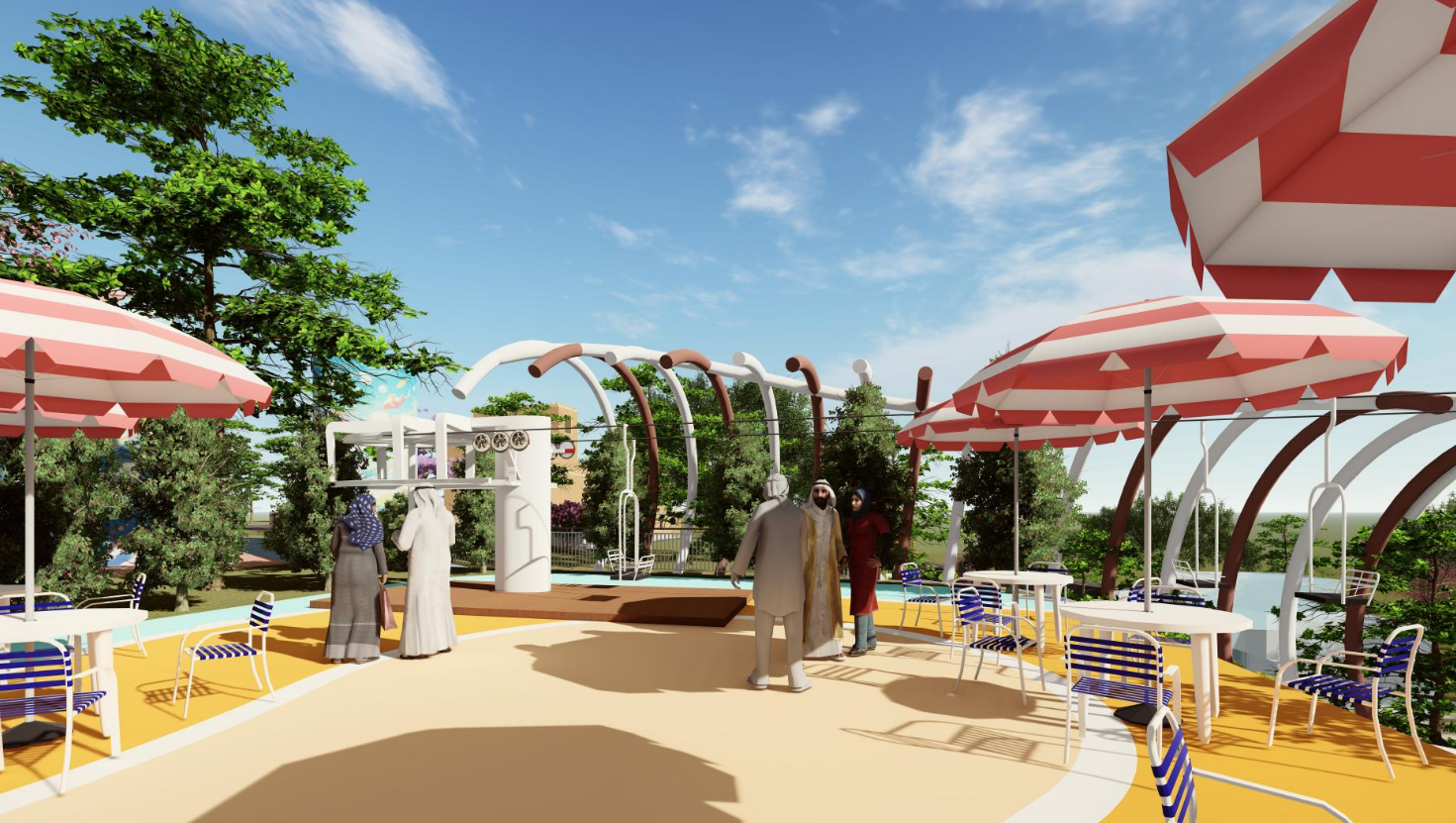
Closed-loop recycling system: Water parks in water-scarce regions (such as Aquaventure in Dubai) generally employ ultra-high water recycling rates of over 95%.
Evaporation control technology: In 2026, many water parks in arid regions introduced advanced anti-evaporation coverings and indoor temperature control systems, making the water consumption per visit even lower than a long shower at home.
3. “Water security” and the transfer of operating costs:
In water-scarce regions, water is considered an asset rather than a cheap consumable.
High ticket price support: Investors in these regions dare to set higher ticket prices (Premium Pricing) because consumers understand the operating costs (such as seawater desalination and long-distance water transfer).
Policy support: Many governments in arid cities grant water parks special water quotas as part of their city’s “Oasis Plan” to enhance the city’s image and attract tourism.
4. Climate economics trends in 2026:
With rising global average temperatures in 2025-2026, heat waves in arid regions will become more frequent and prolonged.
Essential Need for Summer Cooling:
In areas where outdoor temperatures exceed 45°C, water parks are the only outdoor public facilities that provide physical cooling and offer social interaction.
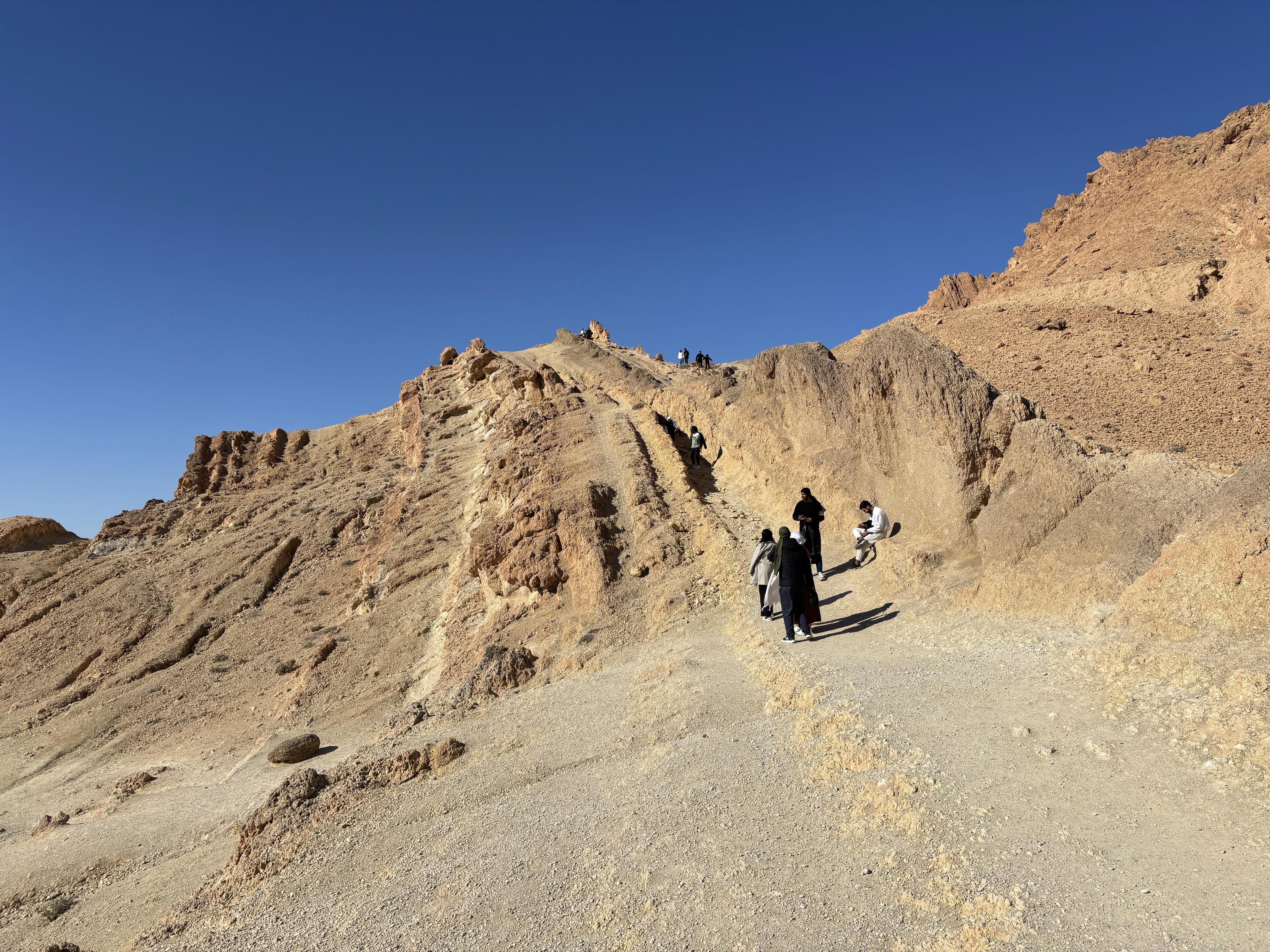
Chinese Case Study: In Northwest China, newly built high-end indoor heated water parks, avoiding sandstorms and offering a starkly contrasting “Jiangnan experience,” often boast higher returns on investment (ROI) than the highly competitive Yangtze River Delta and Pearl River Delta regions.
Implications for Investors:
Site Selection Strategy: Resource-rich areas are often fiercely competitive, while “resource-discretionary areas” represent high-profit blue oceans.
Technological Investment: Investing in water-scarce areas requires prioritizing the adoption of intelligent water-saving management systems such as VISON WATERPARKS to meet increasingly stringent environmental audits.
Contact us:
BUILD A PROFITABLE WATER PARK!
Please feel free to contact us for a water park feasibility study report with layout design for free:
WhatsApp & WeChat: +86 13922323263
Email: [email protected]
Website:www.visonwaterparks.com
Sitemap | Privacy | Contact
Copyright © @2024 Vison Waterparks


